September 2026 U.S. Economic Outlook: When Resilient Growth Meets a More Hawkish Fed
Higher energy costs are slowing the growth outlook and keeping inflation elevated, even as consumers, AI investment, and the labor market remain more resilient than expected.
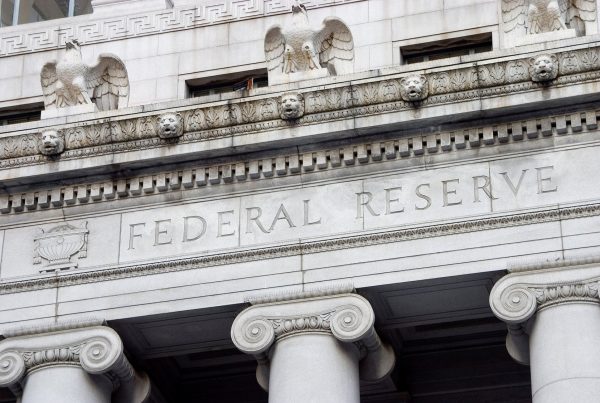
The September 2026 outlook presents a more complicated economic baseline. Oxford Economics lowered its U.S. GDP growth forecast to 2.1% in 2026 and 2.4% in 2027, reflecting higher-for-longer energy prices tied to continued Middle East disruptions. At the same time, consumer spending remains relatively firm, AI-related investment continues to support activity, and the labor market appears broadly balanced. That resilience, however, is contributing to a more hawkish Federal Reserve outlook: following a 25-basis-point September hike, Oxford Economics expects another increase in December, with risks tilted toward additional tightening.
Foundation: Start With Clarity on the New Economic Baseline
Clarity comes before strategy.The economy is still expanding, but inflation and energy costs have become more important constraints. Headline PCE inflation is now expected to finish 2026 at nearly 4%, while surging diesel prices could add as much as 0.4 percentage points to core inflation next year through higher production, freight, and food costs. Meanwhile, unemployment is projected to remain near 4.2% through the rest of 2026, suggesting a labor market characterized by low hiring but also low layoffs.
Ascent: Connect Resilient Growth With Rising Pressure Points
Strategy connects everything. Consumers remain on relatively solid footing, with Q3 spending tracking at a 3.3% annualized pace and revised data showing a larger savings cushion than previously estimated. AI investment also remains a meaningful source of strength, supporting manufacturing and helping offset weakness elsewhere. Yet those tailwinds coexist with higher borrowing costs, persistent inflation, supply-chain pressures, and greater vulnerability among lower-income households and smaller businesses. The combination reinforces the value of evaluating investments, cash flow, taxes, and risk together rather than reacting to any single economic indicator.
Return: Prepare for a Longer Period of Higher Rates and Uneven Growth
The most important decisions come later. A more restrictive rate environment could continue to weigh on housing, financing costs, and interest-sensitive planning decisions well into 2027. Rather than trying to predict exactly when inflation, energy prices, or Fed policy will turn, families can use this environment to stress-test future income needs, liquidity, portfolio risk, and legacy priorities—keeping long-term decisions anchored to the broader plan.