August 2026 US Economic Outlook: What Broader Investment and Persistent Inflation Mean for Financial Planning
Economic growth remains resilient as investment expands beyond AI, while elevated inflation, trade tensions, and higher borrowing costs create a more complex planning environment.
The August 2026 economic outlook points to continued U.S. expansion, supported by a broader base of business investment and an improving productivity outlook. Oxford Economics forecasts 2.2% GDP growth in 2026, with investment outside of AI gaining momentum and inventory restocking providing additional support in the second half of the year. At the same time, headline inflation is expected to remain above 3% through year-end, energy prices remain elevated, and new trade tensions with Canada introduce additional uncertainty. For investors and families, these competing forces reinforce the value of understanding how economic changes connect to the broader financial picture.
Foundation: Start With Clarity on an Economy Still in Expansion
Clarity comes before strategy. The economic foundation remains relatively resilient, even as conditions vary across households and industries. The report forecasts unemployment to hover around 4.2% for the rest of 2026, with low layoffs but slow hiring. Consumer spending has also remained resilient despite pressure from higher energy costs, although the impact has been uneven. Higher-income households have benefited from gains in financial wealth, while lower-income households face greater pressure from gas prices and thinner savings. Understanding those differences can provide important context for financial decisions without allowing short-term economic shifts to dictate the plan.
Ascent: Connect Expanding Investment With Emerging Risks
Strategy connects everything. One of the most notable developments in the August outlook is that investment growth is broadening beyond AI. Non-AI business investment rose at its fastest pace in three years in the second quarter, while AI-related spending is still expected to contribute an average of 0.3 percentage points to annualized real GDP growth this year and next. Manufacturing is also showing resilience, supported by AI investment, defense spending, aerospace recovery, and inventory restocking. At the same time, escalating U.S.–Canada trade tensions and potential auto tariffs create new risks for prices and manufacturing. A coordinated approach considers these opportunities and risks together—and how they may influence investments, taxes, cash flow, and risk management decisions.
Return: Prepare for Rates to Remain Elevated
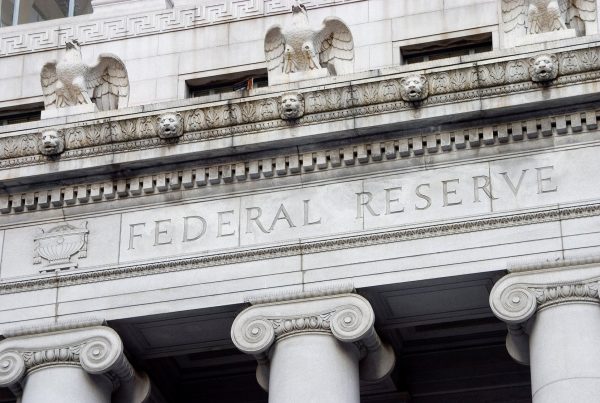
The most important decisions come later. Persistent inflation is expected to keep the Federal Reserve on hold for the rest of 2026, while elevated borrowing costs continue to weigh on areas such as housing. The outlook anticipates inflation beginning a more sustainable deceleration in 2027 as tariff effects fade, services inflation moderates, and energy prices normalize. Rather than trying to anticipate the precise timing of those shifts, long-term planning can help families evaluate how today’s rate and inflation environment fits within future income needs, liquidity, risk considerations, and legacy priorities.